
Title I, Part A
Support for schools serving students from low-income families.
View funding source ↗Nebraska · Schools & districts
Live, small-group virtual tutoring in K–12 math and ELA. Connect Nebraska’s reading, math, and engagement priorities with focused instruction, student discussion, and a plan your school can support.
A closer look at Nebraska
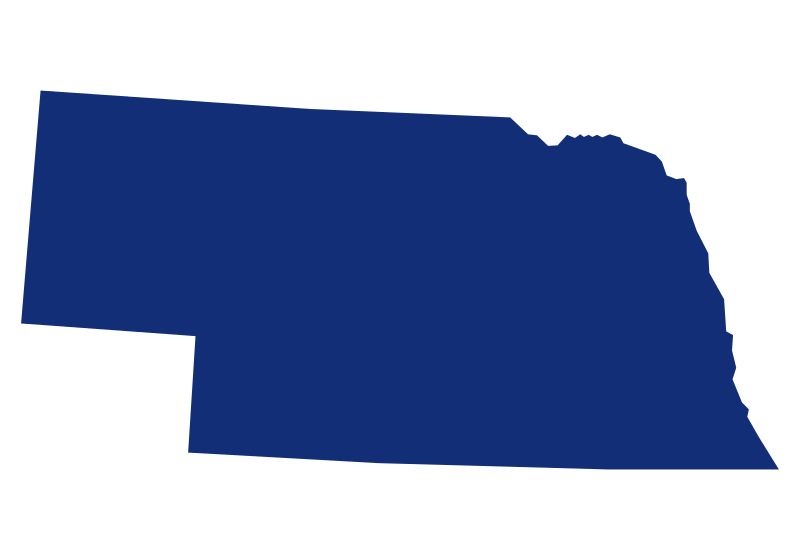
Your state’s priorities.
Your students’ next steps.
What Nebraska is prioritizing
Stronger early reading. Greater access to grade-level math. A sustained focus on attendance and engagement, with targeted support connected to Nebraska’s multi-tier framework.
Official sources checked November 5, 2026
Nebraska’s emphasis
The Nebraska Literacy Project centers evidence-based reading instruction and the science of reading. Its goals include 75% third-grade ELA proficiency by 2030 and stronger K–3 reading outcomes. NebraskaREADS connects that work with targeted intervention, educator learning, and family resources.
The Cignition connection
Use the reading needs your school identifies to plan focused ELA support. Discuss explicit foundational-skills instruction for younger learners, then vocabulary, comprehension, and text-based reasoning as students progress. Review how proposed lessons connect with the instruction your school already leads.
Nebraska’s emphasis
Nebraska’s current strategic plan sets a goal of 80% eighth-grade math proficiency by 2030. Its school-improvement guidance emphasizes a coherent instructional program, with intervention and high-dosage tutoring connected to grade-level learning.
The Cignition connection
Bring a classroom learning goal and student work to the planning conversation. Identify the prerequisite skill that will help students participate in current content. Use visual models, purposeful questions, and explanations to connect understanding with accurate calculation.
Nebraska’s emphasis
Nebraska’s strategic plan aims to halve chronic absenteeism by 2030. It connects stronger student engagement with welcoming schools, family and community partnerships, and expanded after-school and summer learning. Academic support needs to work within that wider effort.
The Cignition connection
Build a recurring tutoring schedule with a local point of contact, clear participation routines, and a supervised learning space. Review attendance and engagement alongside student learning. Tutoring can add instructional support while your school addresses the broader reasons a student may miss learning time.
Our curriculum. Your instructional goals.
Start with the skill your students need next. Connect the learning goal, the task, and the explanation that shows how a student is thinking.
The Nebraska connection · A closer look at instruction
Nebraska’s emphasis on early literacy, grade-level mathematics, and attendance provides context for reviewing this sample. Examine how a learner connects sounds and print, responds to prompts, and practices a foundational reading skill.
Compare the task and prerequisites with your classroom sequence and student work.
Explore a sample lesson
ELA · K–5 sample. Open the student lesson to examine the tasks for yourself.
Open the elementary literacy sample ↗
Consider how a learner connects sounds and print, responds to prompts, and practices a foundational reading skill. Which responses would help your team decide what the student understands and what to teach next?
Compare the learning goal, task, language, and prerequisites with your classroom materials. Your school’s learning sequence and the students’ starting points guide that discussion.
This grade-band sample illustrates selected instruction. It has not been customized for Nebraska and is not a comprehensive state standards alignment. For a specific alignment question, share the standard and classroom materials with our team.
Inside a school partnership
Cignition brings live virtual instruction, purpose-built lessons, a dedicated program manager, and participation and learning information. For example, a Nebraska school could plan supplemental reading time within NeMTSS and agree how school staff will follow up on missed sessions. Your school provides protected time, technology, and local support. This is a planning illustration; service eligibility and the agreed scope shape any partnership.

Identify the students and reading or math goals, share classroom and screening information, and protect recurring time. Your team names an onsite contact and checks devices, connectivity, and the proposed use of school funds.
Your program manager coordinates planning with your school. Cignition prepares tutor assignments, small groups, instructional materials, and launch arrangements around your Nebraska school’s early literacy, grade-level mathematics, and attendance.
Help students join on time, maintain a supervised learning space, and support participation or connection issues. Classroom teachers continue core instruction; tutoring provides additional targeted learning time.
Experienced, carefully vetted tutors lead live virtual instruction using Cignition’s purpose-built curriculum, questions, models, and discussion. They respond to student work and record attendance, participation, and learning information.
Share classroom observations and school assessment context, review participation with your onsite contact, and identify questions about student learning or the routine.
Your program manager shares participation and learning information and coordinates follow-up. Cignition’s instructional and implementation teams use that information with your school to consider grouping, learning targets, or scheduling adjustments.
Nebraska funding landscape
Explore district federal funds, CLSD literacy awards, rural-school funding, and after-school programs. Start with the students you want to reach, then confirm which funding route fits the proposed support.
FY 2026 · Published statewide awards
Support for schools serving students from low-income families.
View funding source ↗Educator effectiveness and instructional capacity.
View funding source ↗English-language acquisition and support for English learners.
View funding source ↗Academic enrichment during non-school hours.
View funding source ↗Read the NEBRASKA row and Fiscal Year 2026 column in each federal award table. Links highlight the row in supporting browsers. These statewide allocations are not unspent funds or a dedicated tutoring budget. Allowable uses differ. Title II supports educator capacity, not general tutoring services. Confirm your district’s available balance and approved use with its program lead.
District-controlled award · Approved use required
Nebraska’s Title I-A program supports eligible schools and students. Schoolwide and targeted assistance programs have different participation and planning requirements.
Review recurring virtual math or ELA instruction against your needs assessment, approved school plan, eligible students, evidence requirements, and available district funds.
Practical next step: Ask your federal programs lead to confirm the service, required set-asides, fiscal rules, and purchasing process.
Review Nebraska’s Title I-A guidance ↗$55M five-year federal project · 46 subgrantees
Nebraska’s Comprehensive Literacy State Development program supports evidence-based literacy from birth through grade 12. Existing subgrantees use their awards to strengthen instruction, educator capacity, and local literacy systems.
The published K–5 guidance permits intensive supplemental reading and writing intervention, primarily during the school day with possible out-of-school augmentation. An awardee should review any proposed service against its funded grade band, literacy plan, evidence requirements, and approved budget.
Practical next step: The application round closed June 2, 2025. This is an existing-award pathway, not an open grant or automatic approval of Cignition.
Explore Nebraska’s CLSD program and resources ↗2026–27 RLIS district allocations published
Nebraska’s rural districts may qualify for Small Rural School Achievement grants awarded directly by the U.S. Department of Education, or Rural and Low-Income School grants administered through NDE. Eligibility is district-specific.
Review a supplemental math or ELA service against the allowable activities and local goals of the program your district actually receives. Current RLIS allocations are posted on NDE’s federal programs page.
Practical next step: Confirm your district’s eligibility, funding balance, and approved use. Dual-eligible districts choose one award. Do not treat an older resource or application example as a current deadline.
Review Nebraska’s REAP guidance ↗2026 competition closed · Federal and state funding
Nebraska’s 2026 competition combined 21st CCLC and state Expanded Learning Opportunity funds to support academic success, positive interactions, and family engagement outside school hours.
An existing grantee can review focused math or ELA instruction within its broader approved program. Confirm virtual delivery, supervision, partner arrangements, and costs with the grantee and NDE.
Practical next step: The March 19, 2026 deadline has passed. State ELO eligibility also required a 1:1 partnership match; the federal-only route did not require that ELO match. Ask about future rounds.
Review Nebraska’s after-school grant guidance ↗Nebraska · Program fit & purchasing
Start with your school’s instructional goals, approved funding plan, and district purchasing requirements. Review proposed lessons, tutor qualifications, reporting, student-data protections, and local support for virtual sessions. For CLSD, 21st CCLC, or state ELO funds, confirm the award’s scope, evidence requirements, and any matching obligations with your grant lead. A grant award does not itself establish provider approval.
A few useful questions
Start here, then bring the questions specific to your students and school.
Start with your school’s curriculum sequence, learning goals, and student work. Review proposed math or ELA lessons, where prerequisite support fits, and how progress will be discussed. The activity on this page is illustrative, not a reviewed Nebraska curriculum crosswalk. Existing sample lessons can help start a conversation about the standards and instructional needs relevant to your school.
Nebraska’s school-improvement guidance emphasizes a coherent connection between core teaching, intervention, and tutoring. Cignition uses its own math and ELA curriculum. During planning, review proposed lessons against your school’s core materials, grade-level learning goals, and the prerequisite support your students need. That is a concrete instructional review, separate from the illustrative activity on this page.
Plan around the students you need to serve, available intervention periods, devices, and connectivity. Live sessions need a supervised learning space and a local point of contact. Together, discuss grouping, recurring session times, attendance, and how your school team will use progress information. Virtual instruction adds access to tutors while your school maintains the local support students need.
No. The posted application round closed June 2, 2025. Existing subgrantees can review proposed literacy services against their approved award and budget. Funding eligibility depends on the service, grade band, evidence requirements, and local literacy plan.
The 2026 competition considered both federal 21st CCLC and state ELO funds through one application. State ELO eligibility added a 1:1 partnership match. Applicants unable to provide that match could still seek federal-only funding. That round closed March 19, 2026.
This page focuses on school and district programs. For individual support, explore Cignition’s one-to-one math and ELA tutoring for families.
Your school’s next step
Planning around early literacy, grade-level mathematics, and attendance? Request curriculum examples, implementation details, evidence, or funding information for your Nebraska school before deciding whether to book a call.
On our contact page, choose “Another question” for an information request or “School or district tutoring” to explore a program.